Welcome Furry Friends
Understanding Feral Cats and how to help them
Where do feral cats come from?
How do feral cats find food and survive?
How are feral cat colonies managed?
Trap, neuter, and return (TNR) programs are crucial in managing feral cat populations.
In their care, cats are humanely trapped, spayed or neutered, vaccinated, and then returned to their original locations, where they continue to receive food and support amidst their colony. This work prevents overpopulation and reduces the burden on taxpayers.
TNR: Trap-Neuter-Return strategies reduce the number of feral and stray cats and improve the general quality of life:
- Humanely trapping them
- Vaccinating against rabies and other diseases
- Spaying and neutering and sugically removing the tip of one ear to identify them as a cat who has been spayed or neutered
- Returning them to their colonies when they are healedTNRReturning the cats to their colony.
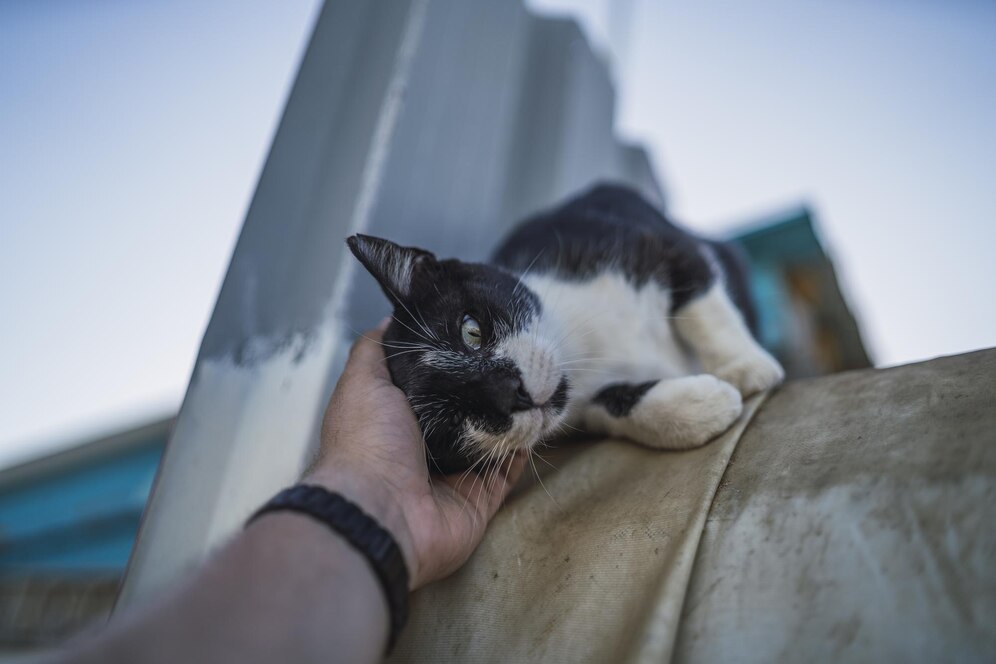
Are Feral cats beneficial to communities
Feral cats provide significant benefits to their communities.
According to Four Paws, these cats help control rodent populations, thereby reducing the spread of diseases carried by rodents. Caretakers regularly treat the cats for fleas and other parasites, creating a healthier environment. During the spay/neuter process, feral cats also receive a three-year rabies vaccine, further protecting public health.
How can you help them?
Make regular donations: All the donations Four Paws receives go to sterilization, food, medicine, veterinary care for those who are ill or indured and fostering kittens and adults who can’t return to their colonies.
Fundraising: Volunteer and help raise funds by supporting inniatives involving Feral Cat rescues
Raise Awareness: Spread the good word on your Social Media Channels
Get in Touch
Willem Esterhuysen
Tel: +264 81 8497710
Get in Touch
Willem Esterhuysen
Tel: +264 81 8497710